How Vultures Help Prevent Disease Outbreaks
Vultures don’t get much love. With their bald heads, sharp beaks, and habit of feeding on dead animals, they’re hardly the poster birds for wildlife conservation. Yet these misunderstood scavengers perform one of nature’s most important jobs. They help keep our environment clean and may stop dangerous diseases from spreading.
Think about what happens when a large animal dies in the wild. Its body begins to decay, attracting flies, bacteria, and hungry scavengers. Without a quick cleanup, the carcass can become a source of harmful germs, especially if the animal died from an infectious disease.
That’s where vultures come in.
These remarkable birds can strip a carcass down to its bones in a short time. Their powerful digestive systems help them handle food that would make many other animals sick. By removing dead animals from the landscape, vultures reduce the chances of disease-causing organisms reaching livestock, wildlife, and people.
But there’s more to their story than eating rotten meat. From the African savanna to the villages of India, vultures play a vital role in keeping ecosystems healthy. And when their numbers fall, the effects can be far more serious than most people realize.
Why dead animals can become a health hazard
Death is a natural part of every ecosystem. Animals die from old age, illness, injury, drought, and attacks by predators. Their bodies then provide food for a wide range of living things, from beetles and bacteria to large scavengers.
This process helps return nutrients to the soil. It’s nature’s recycling system, and it has worked for millions of years.
Still, a dead animal can pose health risks.
As a carcass breaks down, it may attract flies, rodents, feral dogs, and other animals. Some of these visitors can carry germs to new places. If the dead animal was infected, certain pathogens may remain in its tissues, blood, or nearby soil.
Anthrax is one example. The bacterium Bacillus anthracis can form tough spores that survive in the environment for years. When a susceptible animal encounters those spores, it may become infected.
Other diseases, including rabies, can spread through scavenger populations under the right conditions. Rabies is not spread by rotting meat itself, but infected mammals, especially dogs, can pass the virus through bites.
Not every carcass is dangerous, of course. The risk depends on the cause of death, the germs present, and the animals that come into contact with it.
Even so, removing dead animals quickly can limit some opportunities for disease transmission. And few creatures do that job as well as vultures.
Meet the birds with stomachs of steel
Vultures are built for a life that most animals couldn’t stomach.
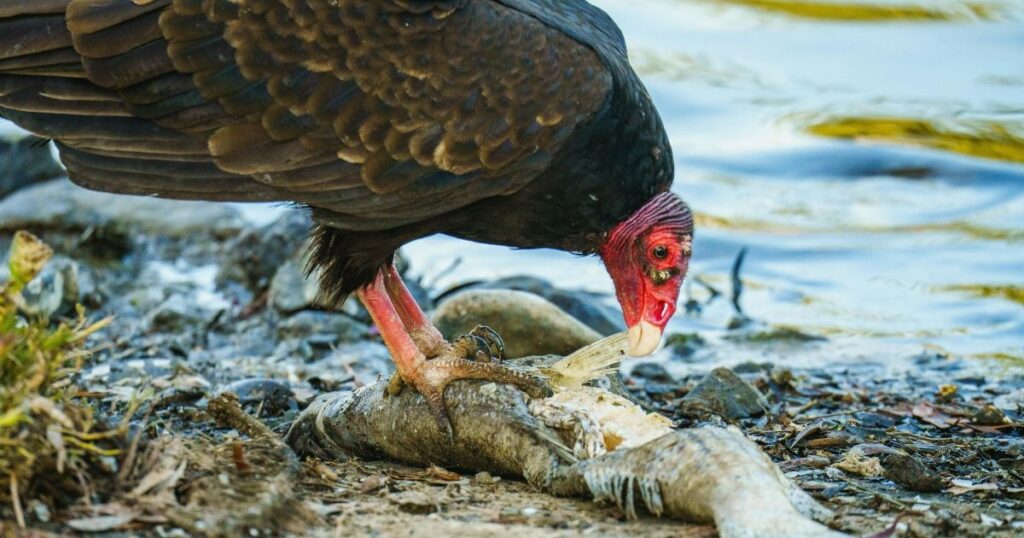
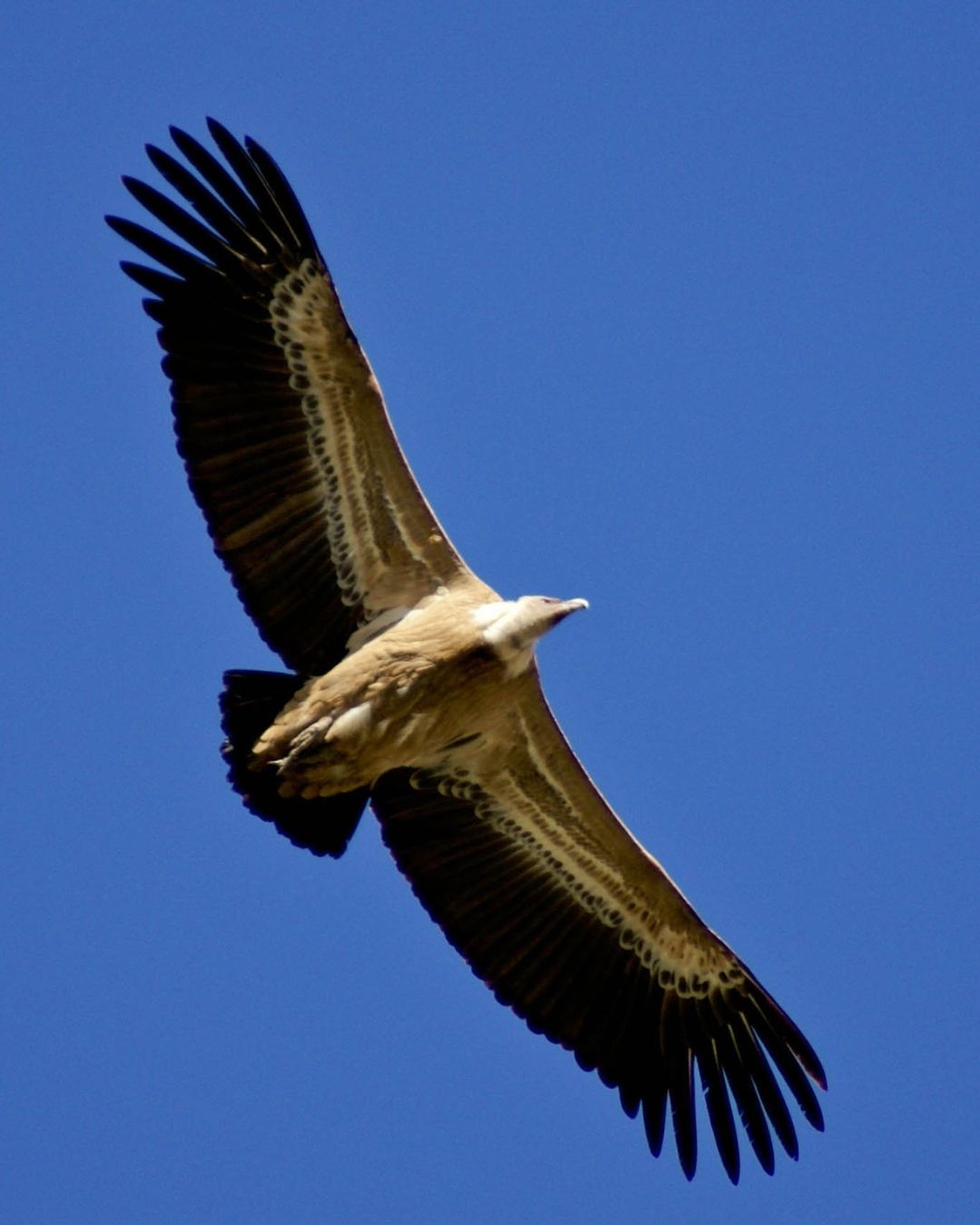
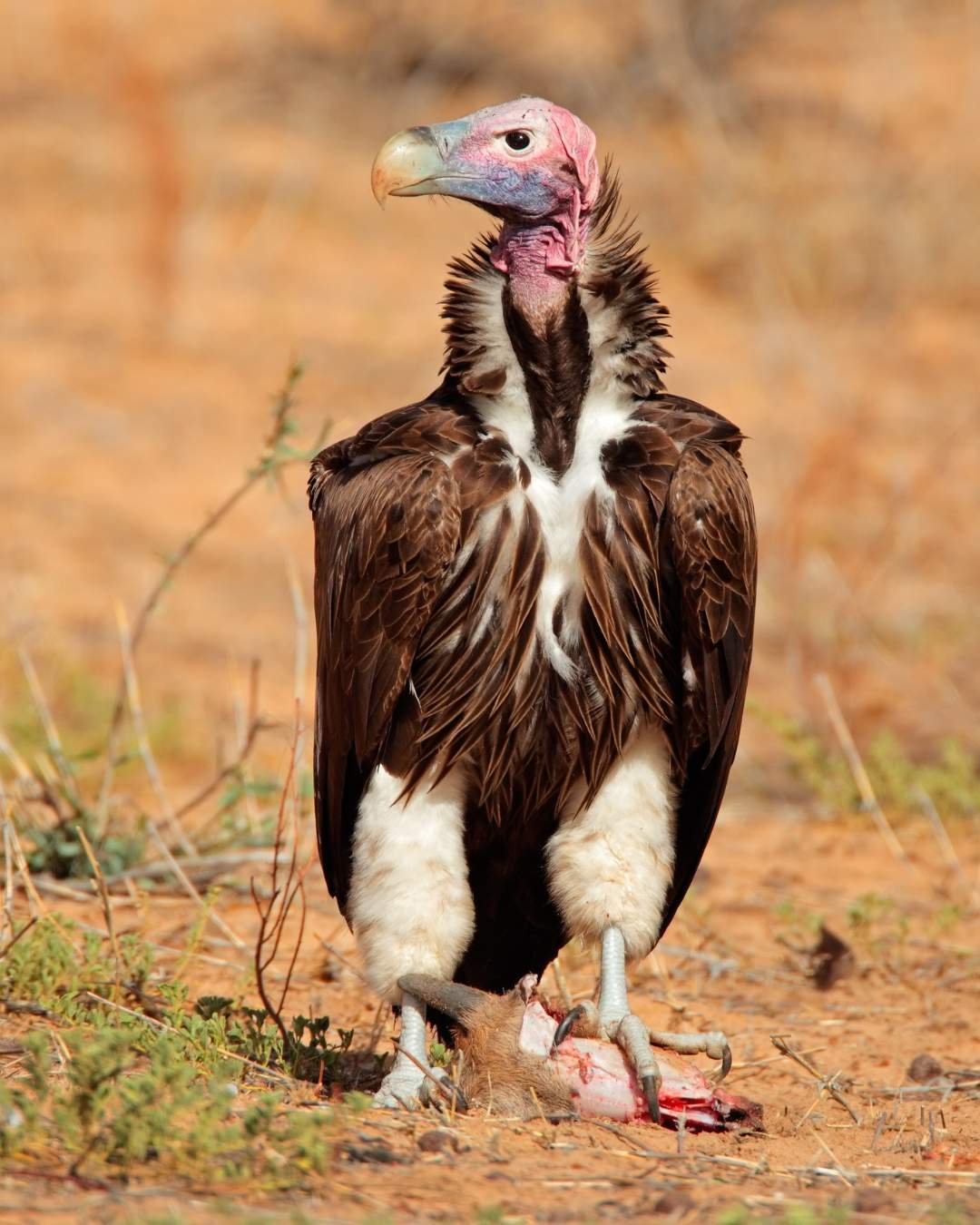
Their hooked beaks tear through skin and flesh. Their broad wings let them travel huge distances while using little energy. Many species also have bare or lightly feathered heads, which may help keep them clean while feeding.
But their greatest defense is hidden inside their bodies.
Vultures have highly acidic stomachs that help break down tough animal tissue and destroy many harmful microbes. Their digestive systems also contain specialized communities of bacteria that help them cope with a diet rich in decaying flesh.
Researchers studying the gut microbes of vultures have found that these birds can tolerate bacteria that would cause serious illness in many other animals.
That’s quite a trick.
Imagine eating meat that’s been sitting in the sun for days. For humans, that could mean a trip to the hospital. For a vulture, it may be an ordinary meal.
However, vultures aren’t immune to every disease. Some pathogens can survive digestion, and the birds can still be harmed by toxins, poisons, and certain infections.
Their resistance is impressive, but it’s not magic.
What makes vultures so valuable is the combination of their strong digestive defenses and their ability to remove large amounts of animal tissue before other scavengers get to it.
How vultures help break the chain of infection
Disease transmission often depends on a chain of events. A pathogen must survive, reach a suitable host, and find a way into that host’s body.
Vultures can interrupt parts of that chain.
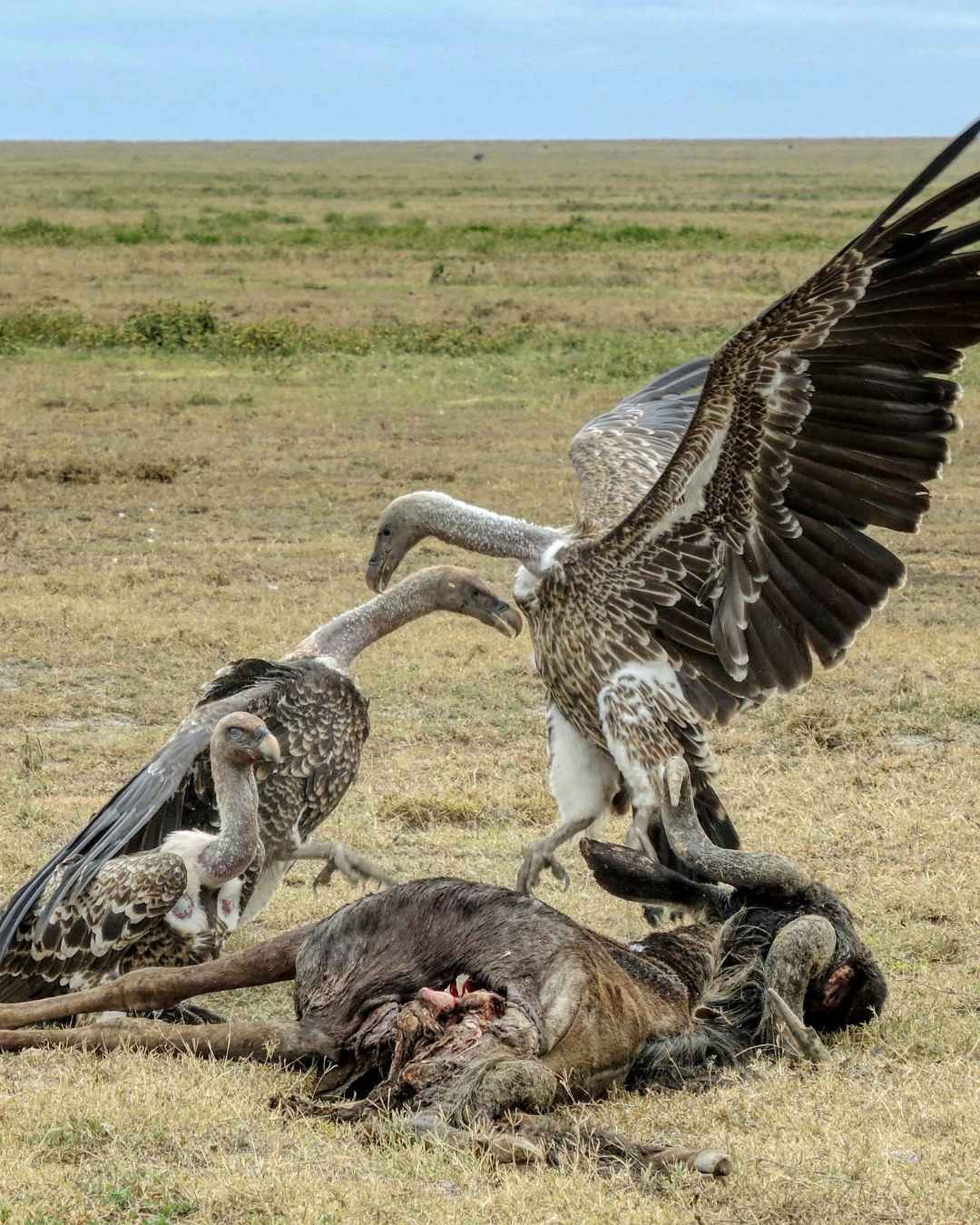
When a group of vultures finds a carcass, the birds may consume much of the soft tissue within hours, depending on the size of the animal and the number of birds present.
This leaves less food for other scavengers and can shorten the time that infected tissue remains exposed.
Their role in disease prevention comes down to several connected processes.
They remove potential sources of infection
A carcass infected with harmful microbes may pose a risk to animals that feed on it or come into contact with contaminated material.
By consuming the remains, vultures can reduce the amount of exposed tissue available to other animals.
This doesn’t mean they destroy every pathogen. Some disease agents, such as anthrax spores, can remain in the environment even after a carcass has been eaten.
Still, rapid carcass removal can reduce certain forms of exposure.
They limit food for other scavengers
Vultures also compete with animals such as feral dogs, rats, and other scavengers for dead meat.
When vultures are abundant, they can consume carcasses before these animals arrive or before they have time to feed for long.
This matters because some mammalian scavengers live close to people and livestock.
A dog, for example, may feed at a carcass and later return to a village. If large numbers of free-ranging dogs gather around food sources, their interactions can increase the chances of certain diseases spreading within dog populations.
Vultures don’t eliminate these risks, but they can help reduce the food supply that supports large groups of scavenging mammals.
They make cleanup faster
Speed is another advantage.
Vultures can spot carcasses from the air or follow other birds to a feeding site. Once several birds gather, the cleanup can be remarkably fast.
This rapid feeding helps keep the landscape free of exposed remains.
In places where livestock and wildlife share grazing land, that service can be especially valuable.
What happened when India’s vultures disappeared?
One of the clearest examples of why vultures matter comes from India.
During the 1990s and early 2000s, populations of several vulture species collapsed across the Indian subcontinent. Some species declined by more than 95%, making the crisis one of the fastest recorded population crashes among birds.
The cause was surprisingly ordinary: a veterinary painkiller.
Diclofenac, a drug used to treat inflammation and pain in livestock, proved deadly to vultures. When a treated cow or buffalo died, traces of the drug could remain in its body.
Vultures that fed on those remains could suffer severe kidney damage and die.
The result was devastating.
With fewer vultures available to consume dead livestock, carcasses remained in the environment longer. Other scavengers, including free-ranging dogs, had access to more food.
Researchers began asking whether this ecological change had affected human health.
A study published in the American Economic Review in 2024 examined the consequences of India’s vulture decline. The researchers found that areas once home to large vulture populations experienced increases in human death rates after the birds disappeared.
Their analysis estimated that the loss of vultures was associated with more than 100,000 additional human deaths per year during the period studied.
It’s a striking finding, although it needs careful interpretation.
The study used statistical methods to estimate the effects of vulture loss. It didn’t establish the cause of each death or show that every additional death resulted from an infectious disease.
The researchers identified several possible pathways, including poorer sanitation, increased exposure to decomposing carcasses, and changes in scavenger populations.
Even with those limits, the message was clear: losing a species that removes animal remains can have serious consequences for people.
India restricted veterinary diclofenac in 2006, but recovering vulture populations remains a long-term challenge.
Could vultures help reduce rabies risks?
Rabies is one of the most feared diseases associated with free-ranging dogs.
The virus attacks the nervous system and is almost always fatal once clinical symptoms appear. According to the World Health Organization, dogs are responsible for the vast majority of human rabies transmissions worldwide.
So, where do vultures fit into this picture?
The connection is indirect.
When vultures remove animal carcasses, they leave less food for dogs and other scavengers. In some settings, that could help limit the resources available to support large free-ranging dog populations.
And fewer dogs gathering around carcasses may mean fewer opportunities for close contact between animals.
However, it’s important not to overstate this relationship. Rabies spreads mainly through bites from infected mammals, and the size of a dog population depends on many factors, including human food waste, breeding, shelter, and animal management.
Scientists have not established that restoring vultures alone will reduce human rabies cases.
Dog vaccination remains the most effective way to prevent dog-mediated human rabies.
Vulture conservation can support healthier ecosystems, but it works alongside public health measures, not in place of them.
Their role goes far beyond disease prevention
Here’s something easy to overlook: vultures don’t just protect health. They also help ecosystems function.
Every dead animal contains nutrients that must eventually return to the environment. Scavengers, insects, fungi, and microbes all take part in this process.
Vultures speed up one stage by consuming large amounts of flesh.
That can have several benefits.
For one, it helps keep animal remains from accumulating in open areas. This may be especially useful in regions where livestock die in fields or near settlements.
It also reduces the need for some forms of human carcass disposal, although local conditions determine how much of that service vultures provide.
There’s an energy benefit, too. Vultures travel using rising columns of warm air called thermals. Instead of constantly flapping their wings, they can soar for hours while searching for food.
It’s an efficient way to patrol enormous landscapes.
And because vultures depend on dead animals, they occupy a special place in food webs. Their presence can influence how other scavengers find food, compete, and move across the landscape.
Ecologists call these kinds of benefits ecosystem services. It’s a formal term for something quite simple: nature does work that supports human life.
Vultures are an excellent example.
Why are vultures disappearing?
For birds that provide such a useful service, vultures face a troubling number of threats.
Of the 23 widely recognized vulture species worldwide, more than half are considered threatened with extinction.
Poisoning is among the biggest dangers.
In Africa, vultures sometimes die after feeding on carcasses deliberately poisoned to kill predators such as lions and hyenas. In other cases, poachers poison carcasses because circling vultures may alert wildlife rangers to illegal killings.
A single poisoned elephant carcass can kill dozens or even hundreds of birds.
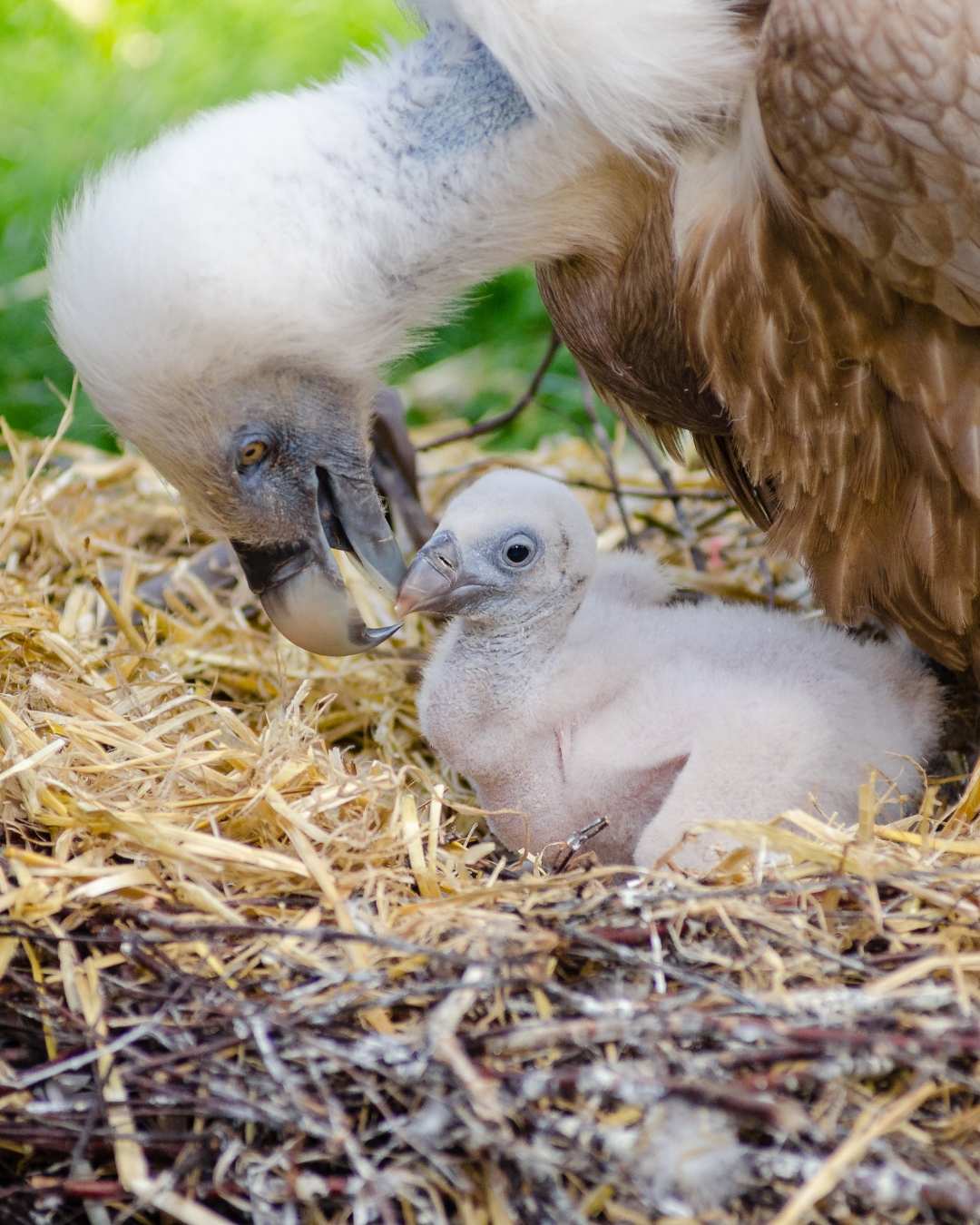
That’s particularly damaging because many vultures reproduce slowly. Some species raise just one chick in a breeding season, so replacing lost adults takes years.
Other threats include collisions with power lines, electrocution, habitat loss, and reduced access to safe food.
Lead poisoning can also occur when vultures consume fragments of lead ammunition left in animal remains.
Then there’s the problem of veterinary drugs.
Diclofenac is the best-known example, but other medicines can also pose risks to scavenging birds. This is why testing veterinary drugs for wildlife safety matters.
Taken together, these pressures have pushed many vulture populations into decline.
And unlike a missing songbird that people might notice in their gardens, the disappearance of vultures can go unnoticed until its wider effects begin to emerge.
What can we do to protect these natural cleaners?
Protecting vultures isn’t just about saving an unusual group of birds. It’s also about preserving the ecological work they perform.
Conservation efforts are already making a difference in some regions, although progress varies by species and country.
One important step is keeping harmful veterinary drugs out of the food chain. In South Asia, conservation groups and governments have worked to promote safer alternatives to diclofenac.
Another approach involves creating safe feeding areas, sometimes called vulture restaurants. These sites provide carcasses that have been checked for dangerous drugs or poisons.
Such feeding stations can support threatened populations, but they need careful management. Poorly run sites may concentrate birds, change their behavior, or create new health risks.
Protecting nesting sites and reducing dangerous power infrastructure are also essential.
For communities, the most useful actions often involve better livestock care, safe disposal of poisoned animals, and reporting illegal wildlife poisoning.
Organizations such as BirdLife International and the Vulture Conservation Foundation support research, public education, and conservation programs.
The International Union for Conservation of Nature (IUCN) also provides species assessments that help guide protection efforts.
Public attitudes matter as well.
Vultures have long been linked with death and decay, which makes them easy to dislike. But that reputation misses the point.
They don’t create the mess. They clean it up.
What science still needs to find out
Scientists understand a great deal about how vultures feed, digest meat, and influence scavenger communities. But some questions remain open.
For example, researchers are still studying how much vulture activity reduces the survival or transmission of specific pathogens under different conditions.
That’s a difficult question because diseases don’t spread through a single route.
Temperature, rainfall, soil conditions, livestock management, and the behavior of other scavengers all affect what happens after an animal dies.
The benefits of vultures may also differ between habitats.
In a dry grassland, a carcass might remain exposed for days. In a warm, wet forest, insects and microbes may break it down much faster.
Researchers also want to understand how changes in vulture populations affect other scavengers over time.
Does a decline in vultures always lead to more feral dogs? Not necessarily. Human waste, food supply, and local animal populations all play a part.
Answering these questions requires long-term field studies, disease surveillance, and careful comparisons between ecosystems.
New tools are helping.
GPS tracking devices allow scientists to follow vulture movements and identify feeding areas. Camera traps reveal which animals visit carcasses and how long they stay. Genetic methods can help researchers study the microbes found in carcasses, soil, and scavenger digestive systems.
Together, these methods are giving scientists a clearer picture of how scavengers influence environmental health.
The goal isn’t to prove that vultures prevent every disease. They don’t.
It’s to understand when, where, and how their natural cleanup work reduces risks.
A healthier planet needs its scavengers
It’s easy to admire wildlife that’s beautiful, powerful, or rare. Eagles soar. Tigers hunt. Whales cross oceans.
Vultures spend their days searching for dead things.
Yet that unglamorous work is precisely what makes them so important.
By consuming carcasses, vultures help remove potentially contaminated animal tissue, limit food available to some other scavengers, and keep ecosystems functioning. Their unusual digestive systems allow them to perform this task with a level of efficiency few animals can match.
India’s vulture crisis showed how costly their disappearance can become. It also reminded scientists that the links between wildlife and human health are often hidden until something goes wrong.
Protecting vultures won’t replace vaccination, sanitation, veterinary care, or disease monitoring. But it can preserve a natural service that supports all of them.
The next time you see a vulture circling overhead, consider what it’s looking for. Somewhere below, there may be a carcass that needs clearing.
And that bird, strange-looking as it may be, could be helping keep the surrounding landscape healthier.
Not bad for nature’s cleanup crew.