How The World Is Fighting Elephant Poaching And The Ivory Trade
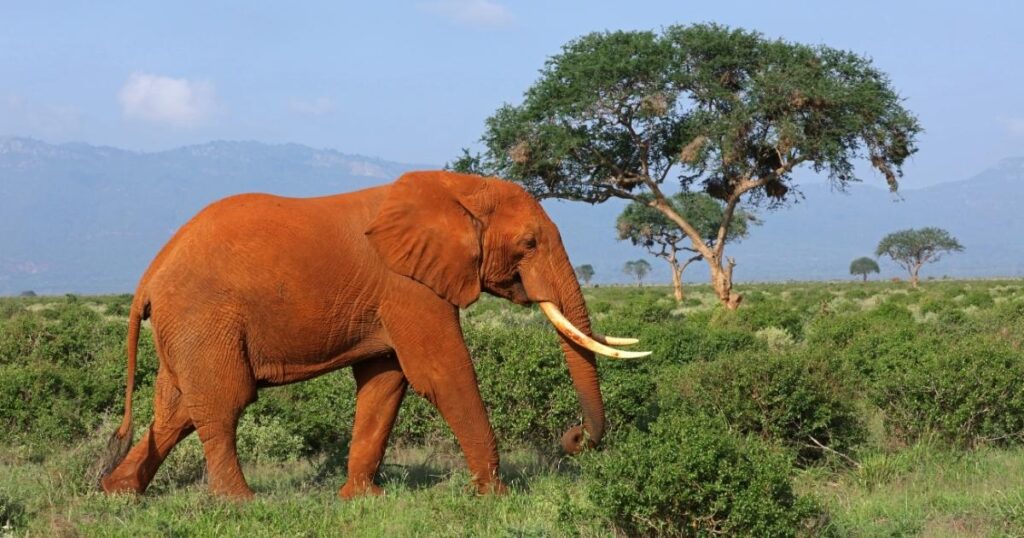
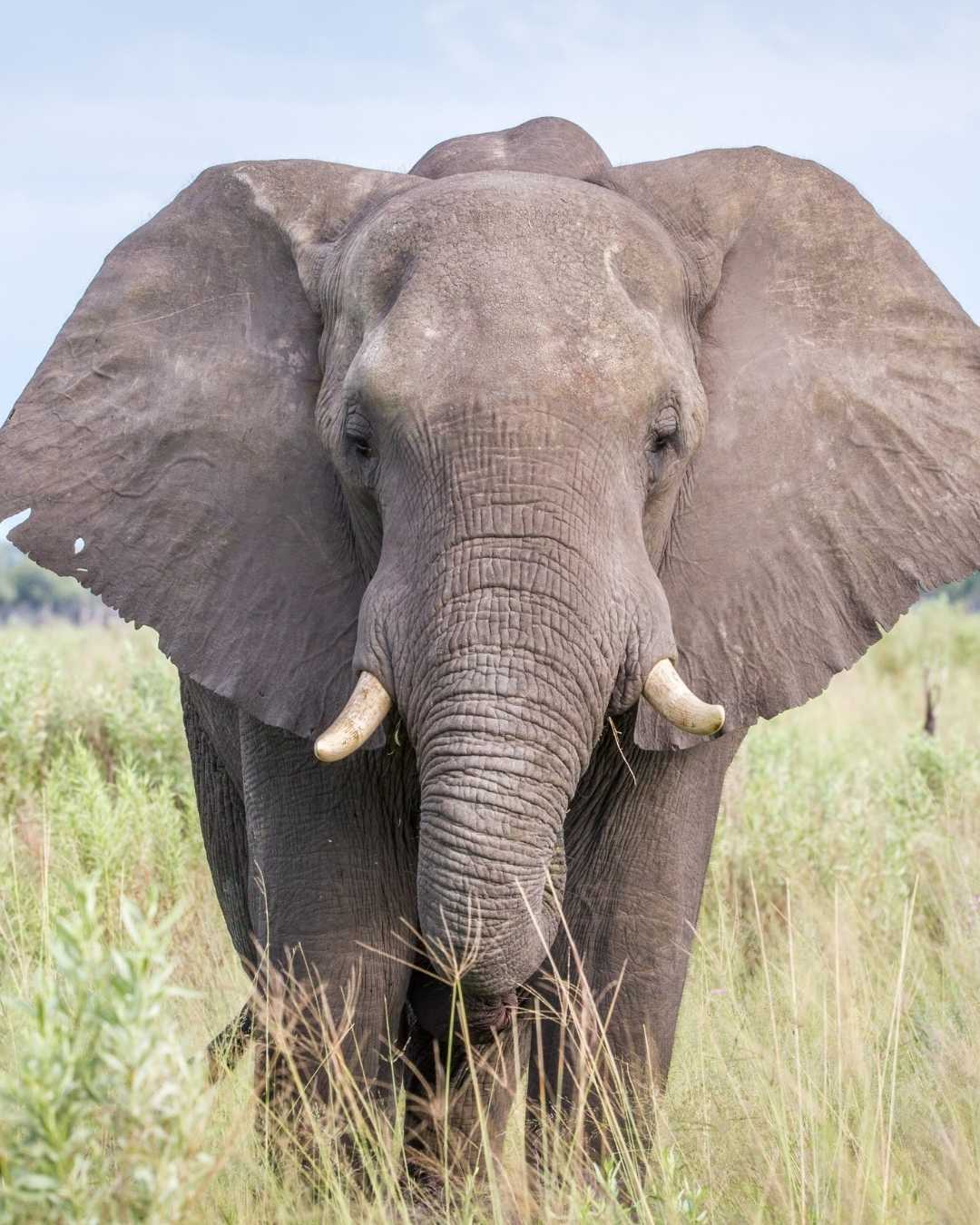
An elephant’s tusks are remarkable things. They help an elephant strip bark from trees, dig for water, move branches, defend itself, and sometimes settle a disagreement with another elephant.
They are teeth, technically, but they can also act as a shovel, crowbar, and weapon rolled into one.
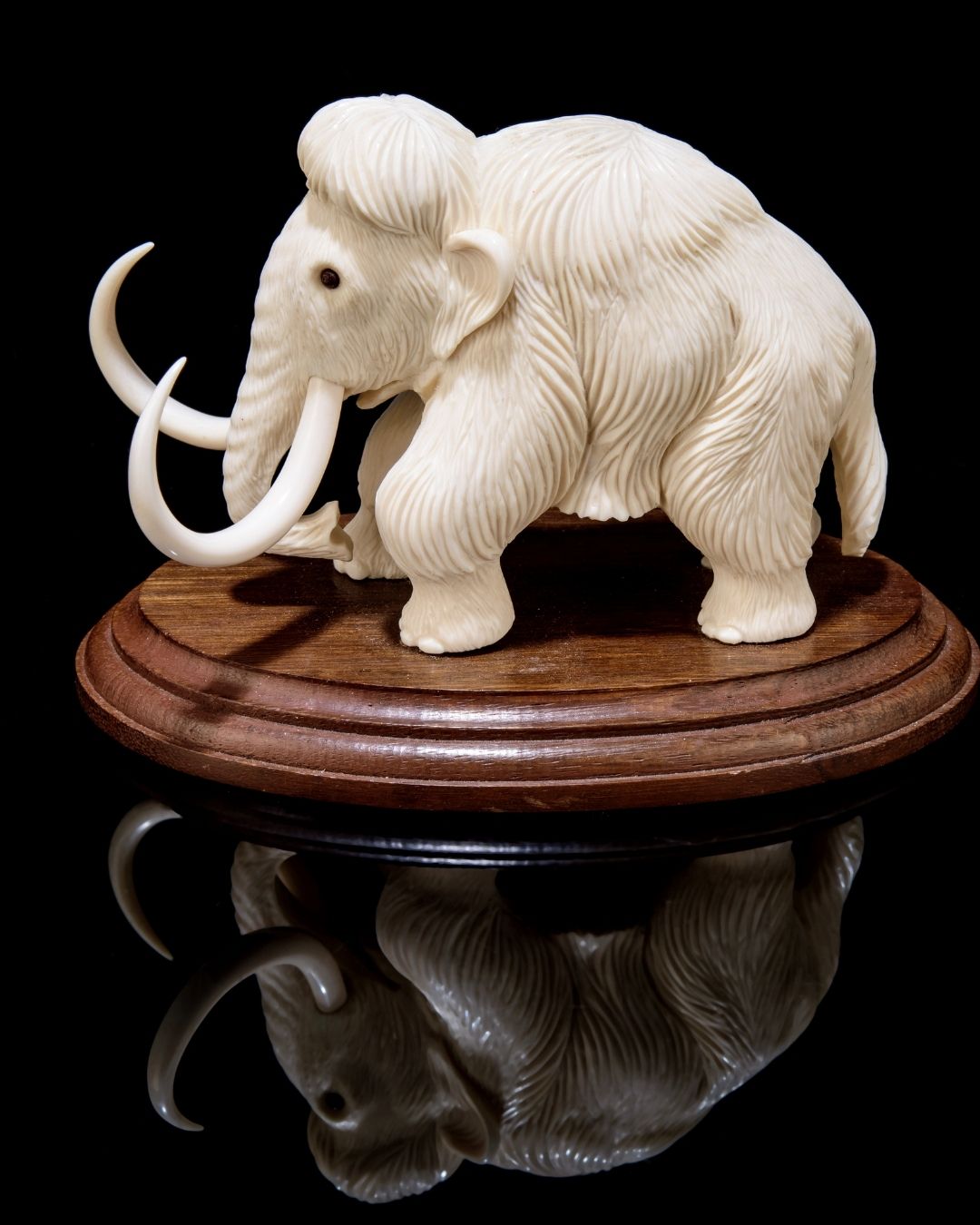
For centuries, though, humans have valued tusks for a very different reason: ivory.
That demand has cost elephants dearly. Poachers kill elephants and remove their tusks, feeding an illegal trade that can stretch from a remote landscape in Africa to a workshop, shipping container, online marketplace, or private collection thousands of miles away.
The response has become international too. Governments are closing ivory markets. Rangers are being trained and equipped. Customs officers inspect suspicious cargo. Scientists analyze seized tusks. Conservation groups work with communities living beside elephants, while campaigns try to persuade consumers that ivory isn’t a harmless luxury.
None of these measures work perfectly on their own. Together, though, they are changing how the world fights elephant poaching.
First, make ivory much harder to sell
One of the biggest changes has happened far from the places where most African elephants live.
Countries that once had significant ivory markets have restricted or closed them.
International trade in elephant ivory is already prohibited under the Convention on International Trade in Endangered Species of Wild Fauna and Flora, better known as CITES, except for tightly controlled exceptions. CITES also provides the international framework through which governments monitor elephant specimens and wildlife trade.
But international restrictions alone can’t stop every domestic sale. A country may need its own laws to deal with ivory changing hands inside its borders.
That’s why domestic bans have mattered so much.
China, historically a major market for ivory, announced that commercial processing and sales would be phased out during 2017, with the shutdown completed by the end of that year. The policy also targeted online trading channels and called for stronger enforcement, public education, and action against illegal processing.
The United States introduced a near-total ban on commercial trade in African elephant ivory in 2016. There are exceptions, and simply owning legally acquired ivory isn’t automatically illegal, but commercial trade is heavily restricted.
The European Union tightened its rules in 2021 as well. Commercial elephant ivory trade is generally prohibited, with limited exceptions for certain antiques and musical instruments under specific conditions.
The logic behind these policies is fairly simple. If legal and illegal ivory can circulate through the same market, telling them apart becomes difficult. Old ivory can provide cover for new ivory. Restrict the market, and traffickers have fewer convenient places to hide their goods.
Of course, banning something doesn’t magically erase demand. It changes the battlefield.
The other half of the equation is demand
Imagine protecting elephants only at the point where a poacher enters a reserve.
You’re already quite late.
Wildlife trafficking is driven partly by consumers who are willing to pay for the final product. So conservationists have increasingly tried to tackle the problem at the other end of the chain: the buyer.
This is where conservation starts borrowing ideas from advertising, psychology, and behavioral science.
Organizations study why people buy ivory, which messages influence them, and which groups are most likely to purchase it. Campaigns can then be aimed at those audiences rather than simply telling everyone, everywhere, that poaching is bad.
WWF, for example, has worked with GlobeScan to study attitudes among Chinese consumers. Its research reported that self-declared ivory purchasing among surveyed consumers in 2021 was less than half the pre-ban level. The proportion of regular overseas travelers surveyed who intended to buy ivory in the future also fell from 58 percent in 2018 to 43 percent in 2021.
That’s an important point. Enforcement can raise the risk of selling ivory, but changing social attitudes can reduce the desire to buy it in the first place.
And social attitudes are surprisingly powerful.
A luxury object gets much of its appeal from what people think it says about its owner. If ivory shifts from being viewed as prestigious to being viewed as outdated, cruel, or embarrassing, its social value can shrink.
That won’t happen everywhere at the same speed. Still, reducing demand removes some of the financial oxygen that keeps trafficking alive.
Meanwhile, rangers are doing the dangerous work
On the ground, elephant protection is much more physical.
Rangers patrol enormous landscapes, often in difficult terrain. They look for snares, illegal camps, carcasses, tracks, gunshots, suspicious vehicles, and signs that people have entered protected areas illegally.
Modern anti-poaching work isn’t simply a ranger wandering around with binoculars.
Patrol teams may use GPS devices, digital mapping, camera traps, radios, aircraft, drones where permitted and useful, and software for recording patrol observations. Better information helps managers identify patterns.
If illegal activity repeatedly occurs near a specific road, water source, or park boundary, patrols can be adjusted accordingly.
Training matters just as much as equipment.
In 2025, for instance, the CITES Monitoring the Illegal Killing of Elephants program worked with the College of African Wildlife Management in Tanzania on a training initiative for rangers. Participants were taught monitoring skills and prepared to train other conservation staff in their own protected areas.
That multiplying effect matters. A conservation project that trains 20 people can ultimately influence far more than 20 patrol officers if those people carry the knowledge back to their teams.
Still, there’s no gadget that replaces experienced people on the ground.
A ranger who understands the landscape, knows local communities, recognizes unusual tracks, and notices when something just doesn’t look right can be extraordinarily valuable.
Following ivory has become a science
Here’s where things get a little CSI, only with elephant tusks.
When authorities seize ivory, scientists can sometimes extract information that helps investigators determine where the elephants originated. Genetic methods have become particularly useful because elephant populations carry geographic patterns in their DNA.
Researchers can compare genetic material from seized ivory with reference information from elephant populations. That can help narrow down where animals were killed and reveal areas being repeatedly targeted.
This changes the meaning of an ivory seizure.
A pile of tusks isn’t merely contraband anymore. It can be evidence.
Investigators may combine biological information with shipping records, phone data obtained through lawful investigations, financial records, container routes, previous seizures, and intelligence from other agencies. Repeated connections can reveal trafficking networks that would be hard to see from a single arrest.
It’s a crucial shift in thinking.
Arresting one poacher may stop one person. Mapping the organization buying tusks from dozens of poachers can expose a much larger operation.
Ports and borders have become part of elephant country
Large illegal wildlife shipments have historically moved through international transport networks, hidden among ordinary goods. That makes customs agencies, port authorities, police, and freight companies unexpected players in wildlife protection.
Officers need to recognize wildlife products, understand concealment methods, and know when a shipment deserves closer inspection. Detection dogs may also be trained to identify wildlife products.
International cooperation is especially important because trafficking doesn’t politely stay within one jurisdiction. An elephant may be killed in one country. The ivory might cross a second country by road, leave through a port in a third, and be discovered somewhere else entirely.
No single police force can see that whole journey without information from others.
CITES helps provide part of that bigger picture. Its Elephant Trade Information System, or ETIS, collects records relating to seizures and illegal ivory trade, while its MIKE program monitors illegal killing at elephant sites. These systems are designed to help authorities spot trends and make better conservation and enforcement decisions.
There’s an important scientific caveat, though. Seizure figures don’t automatically equal the true size of illegal trade. More seizures can mean more trafficking, better enforcement, or both. Reporting delays and differences between countries can complicate the picture too. CITES has explicitly warned that enforcement effort and reporting quality need to be considered when interpreting such data.
Wildlife crime statistics, like most crime statistics, need context.
Local communities can’t be treated as an afterthought
There is another part of elephant conservation that gets less dramatic footage than armed patrols or ivory seizures.
People have to live with elephants.
That can be wonderful. It can also be incredibly difficult.
An elephant can destroy crops in a single night. It can damage water infrastructure, knock down fences, and pose a genuine danger to people walking after dark. For a family relying on a small farm, losing a harvest isn’t an interesting conservation statistic. It’s food and income disappearing.
So protecting elephants while ignoring the costs carried by neighboring communities is a shaky strategy.
Conservation programs increasingly include measures to reduce human-elephant conflict and provide local people with a meaningful economic incentive to protect wildlife.
Depending on the location, that might involve tourism jobs, conservation employment, community-managed wildlife areas, crop-protection systems, improved fencing, early-warning networks, or mechanisms for responding to wildlife damage.
There isn’t one recipe. What works beside a forest in Central Africa may make little sense near a farming settlement in southern Africa.
The broader principle is more durable: people who bear the everyday costs of living with elephants should have a meaningful voice and share in the benefits of keeping them alive.
That sounds obvious. In practice, it’s one of conservation’s hardest jobs.
Technology helps, but it’s not a magic wand
Conservation has become increasingly high-tech.
Satellite imagery can reveal habitat change. GPS collars can show where elephants travel. Camera traps can record animals and people moving through remote areas. Digital patrol systems can turn thousands of field observations into maps that managers can actually use.
Machine learning can help researchers sift through large datasets, while improved communication enables patrol teams to report incidents faster.
Even so, conservation technology has limits.
A drone needs someone trained to operate it. A collar needs maintenance and scientific oversight. A database is only useful if reliable information goes into it. And a beautiful map won’t stop corruption or persuade a farmer that losing a year’s crop is acceptable.
Technology works best as a force multiplier for people, not as a substitute for them.
There is still a complicated debate over ivory
Ivory policy isn’t completely uniform.
African elephant populations don’t all have the same conservation status, population trend, or local conditions.
This has fueled a long-running debate.
Some governments and conservation advocates have argued that tightly controlled sales from ivory stockpiles could raise funds for conservation and communities. Others argue that legal sales risk stimulating demand, confusing enforcement, and providing cover for illegally sourced ivory.
The European Union, for example, stated ahead of the 2022 CITES conference that it did not believe conditions were right for reopening international commercial ivory trade.
It’s tempting to reduce this argument to “people who care about elephants” versus “people who don’t.” Reality is messier. Conservation involves ecology, economics, sovereignty, community rights, enforcement capacity, animal welfare, and politics all at once.
That doesn’t make the ivory problem impossible. It just means simple slogans can’t carry the whole load.
So, is the global response actually working?
There has been genuine progress.
Major consumer markets have imposed much tougher restrictions. Demand-reduction campaigns have changed attitudes among some consumers. Rangers have better monitoring methods. Governments share more information, and wildlife trafficking is increasingly treated as serious organized crime rather than a minor conservation offense.
Yet poaching hasn’t disappeared.
Illegal markets adapt. Traders shift routes. Sales move online or underground. Enforcement quality differs between countries, and corruption can undermine even strong laws.
Then there’s habitat loss.
Even if ivory poaching vanished tomorrow morning, elephants would still need vast, connected landscapes with water, food, and room to move. Roads, farms, mines, settlements, fences, and other development can fragment those landscapes.
Saving elephants, then, is not simply about saving tusks.
It’s about keeping ecosystems functional.
Elephants shape the places where they live. They knock down vegetation, open pathways, spread seeds, dig for water, and alter habitats used by other species. Protecting elephants can therefore help protect much larger ecological communities.
And there’s something rather wonderful about that. A single animal walking through the bush can influence the landscape long after its footprints have vanished.
The next chapter will be written in several places at once
The fight against elephant poaching won’t be won by one spectacular raid, one international treaty, or one clever piece of technology.
It will be won, if it is won, through hundreds of less dramatic actions happening together.
A ranger records a carcass accurately. A customs officer notices something odd in a shipment. A scientist traces seized ivory. A prosecutor builds a stronger case. A government closes a loophole. A community earns reliable income from living wildlife. A traveler decides that an ivory souvenir isn’t worth buying.
Each action seems small beside an animal that can weigh several tonnes.
But that’s how conservation often works.
The world has learned that protecting elephants requires pressure across the entire chain, from the landscape where an elephant takes its first steps to the marketplace where somebody might otherwise buy its tusks.
The ivory trade turned elephants into commodities. Modern conservation is trying to reverse that equation.
An elephant’s tusks belong where they’re useful: attached to an elephant.