
How to Get Rid of Rodents Without Using Pesticides
Few things change the feeling of a home faster than spotting a mouse dart across the floor or hearing scratching behind a wall after dark. Rodents have a way of making even the cleanest house feel less welcoming.
The first instinct is often to reach for poison, but that approach comes with risks that many people would rather avoid.
Rodenticides can harm pets, wildlife, and even children if they are handled or stored improperly.
They may also affect animals that feed on rodents. Owls, hawks, foxes, and neighborhood cats can all suffer after eating poisoned prey. That is why more homeowners are looking for safer, longer-lasting ways to deal with unwanted visitors.
The good news is that getting rid of rodents without pesticides is not only possible, it is often more effective over time.
Instead of relying on chemicals that treat the symptom, you focus on removing the conditions that attracted rodents in the first place. It takes a little patience, but the results tend to last much longer.
Let’s look at what really works.
Why rodents move in to begin with
Rodents are remarkably good at surviving alongside humans. A mouse needs only a tiny gap, about the width of a pencil, to squeeze into a building. Rats need a slightly larger opening, but they are equally determined once they smell food or find warmth.
From a rodent’s point of view, your home offers three valuable things:
- Food
- Water
- Shelter
Even small crumbs under the refrigerator or bird seed stored in a garage can become an attractive food source. A dripping pipe hidden beneath a sink supplies water. Cluttered storage boxes create cozy nesting spots that stay warm through the winter.
Understanding these needs changes the way you approach the problem. Instead of asking, “How do I kill the rodents?” it becomes, “Why do they want to stay here?”
Start with a careful inspection
Before taking action, spend some time figuring out where rodents are active.
Look for signs such as:
- Small droppings near cabinets or baseboards
- Gnaw marks on cardboard, wood, or food packaging
- Greasy rub marks along walls
- Nesting material made from shredded paper or fabric
- Scratching sounds during the evening
A flashlight helps, especially in crawl spaces, attics, basements, and garages.
It may seem like detective work, and honestly, it is. Finding entry points early saves a great deal of frustration later.
Seal every possible entrance
This is arguably the most important step in long-term rodent control.
Imagine trying to empty a bathtub while the faucet is still running. Setting traps without blocking entry points works much the same way. New rodents simply replace the ones that leave.
Walk slowly around the outside of your home.
Pay attention to:
- Utility pipes
- Dryer vents
- Foundation cracks
- Rooflines
- Garage doors
- Window frames
- Spaces beneath doors
Seal small openings with steel wool combined with caulk. Larger gaps may require metal flashing, hardware cloth, or cement patching.
Avoid relying on expanding foam alone, as rodents often chew right through it.
Weather stripping beneath exterior doors also prevents many small animals from sneaking inside.
Remove easy food sources
Rodents have an excellent sense of smell. A loosely closed cereal box or an open bag of pet food can attract them from surprising distances.
Try storing dry goods in glass or sturdy plastic containers with tight-fitting lids.
Pay extra attention to:
- Pet food
- Bird seed
- Flour
- Rice
- Nuts
- Snack foods
Cleaning habits matter, too.
Vacuum beneath appliances every so often. Wipe counters before bedtime. Empty indoor trash regularly, and keep outdoor bins tightly closed.
If you feed pets, consider picking up any leftover food before going to bed. That simple habit removes one of the easiest meals available to curious mice.
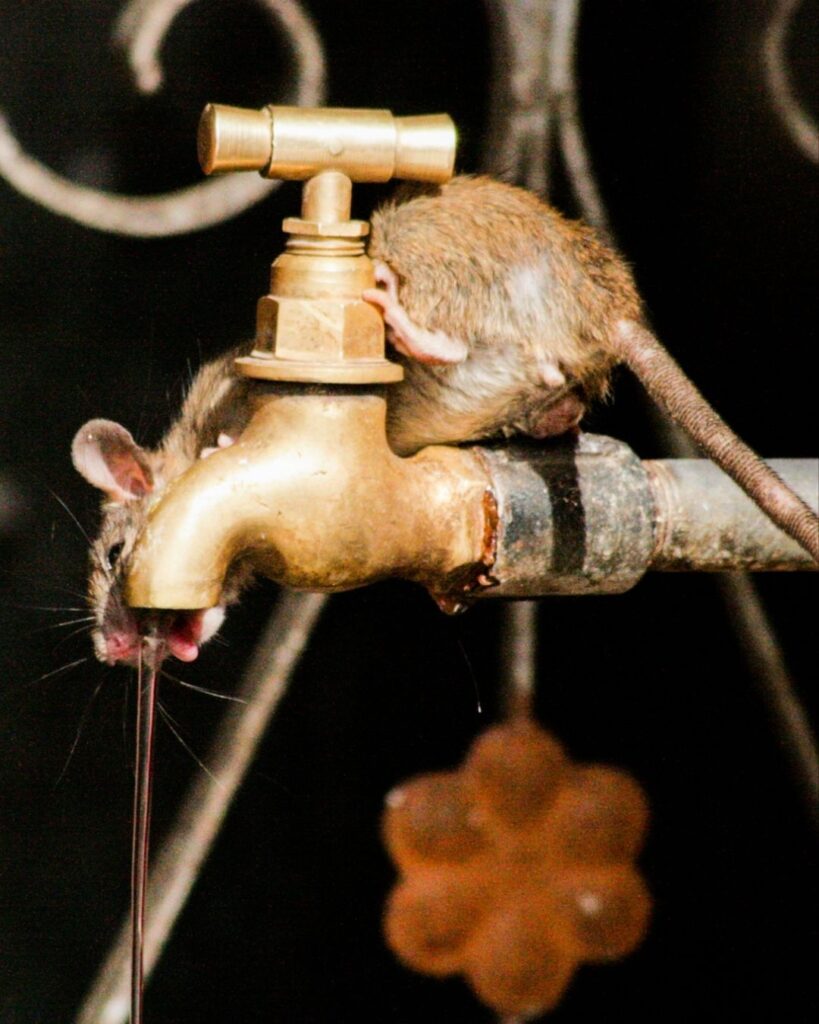
Make water harder to find
People often focus entirely on food, but rodents need water just as much.
A slow leak beneath a sink may not seem important, yet it can support rodents for weeks.
Check for:
- Leaking faucets
- Condensation around pipes
- Standing water
- Clogged gutters
- Damp crawl spaces
Repairing moisture problems has another benefit. It also discourages mold, insects, and other household pests.
Sometimes one repair solves several problems at once.
Reduce hiding places inside and outside
Rodents prefer places where they can move without being seen.
Large piles of cardboard, stacked newspapers, and overflowing storage areas provide excellent cover.
Try organizing storage so that boxes sit slightly off the floor and away from walls. Plastic storage bins with secure lids work better than cardboard for long-term storage.
Outside, trim vegetation that touches the house.
Firewood should remain several feet away from exterior walls and be stacked above the ground whenever possible.
Dense shrubs look beautiful, but when branches press against the siding, they can create natural highways for rodents.
A little pruning goes a long way.
Use traps strategically
Once entry points are sealed and food sources reduced, trapping becomes much more effective.
Place traps:
- Along walls
- Behind appliances
- Near known travel routes
- With the trigger facing the wall
Rodents usually move along edges rather than crossing open spaces.
Using several traps often works better than relying on one or two. It sounds excessive at first, yet multiple traps increase the chance of catching rodents before they become cautious.
Peanut butter is a popular bait because it sticks to the trigger. Oats, chocolate spread, or small pieces of dried fruit may also work.
Live traps appeal to many homeowners, but they present challenges.
Releasing rodents nearby often means they return. Moving them farther away may not be legal everywhere, and relocated animals frequently struggle to survive in unfamiliar territory.
What about ultrasonic repellents?
Ultrasonic devices promise an easy fix.
Research has produced mixed results.
Some studies suggest rodents may avoid unfamiliar sounds for a short time. Others show that animals quickly adapt and continue behaving normally.
If you choose to try one, think of it as a supplement rather than a complete solution.
A sealed home with good sanitation and properly placed traps will usually outperform electronic gadgets on their own.
Natural scents people often recommend
Walk through almost any home improvement store, and you’ll find products claiming to repel rodents with peppermint oil or other strong scents.
The evidence behind these approaches is limited.
Fresh peppermint oil may temporarily discourage exploration in small areas, but the scent fades quickly. Rodents motivated by food or shelter often ignore it after repeated exposure.
If someone promises that one spray solves a rodent problem forever, skepticism is healthy.
Encourage natural predators
Healthy ecosystems often keep rodent numbers in balance.
Owls are especially effective hunters.
Installing an owl nesting box in suitable rural or suburban areas may encourage these birds to stay nearby. Hawks, foxes, snakes, and certain mammals also help manage rodent populations naturally.
Of course, attracting predators is not practical everywhere, especially in dense urban neighborhoods.
Still, protecting local wildlife has unexpected benefits. Every owl hunting at night is doing work that no pesticide can match.
Keep garages, sheds, and attics under control
Many infestations begin outside the main living area.
Garages often contain pet food, grass seed, old furniture, and piles of cardboard. Sheds may store bird seed or gardening supplies.
Spend an afternoon organizing these spaces.
Replace damaged containers.
Sweep up spilled seed.
Move clutter away from walls.
It is not glamorous work, but prevention rarely is.
Don’t forget the yard
The area around your house influences what happens inside it.
Simple changes include:
- Picking up fallen fruit
- Cleaning beneath bird feeders
- Keeping compost bins secure
- Cutting tall grass
- Removing brush piles
- Trimming low branches
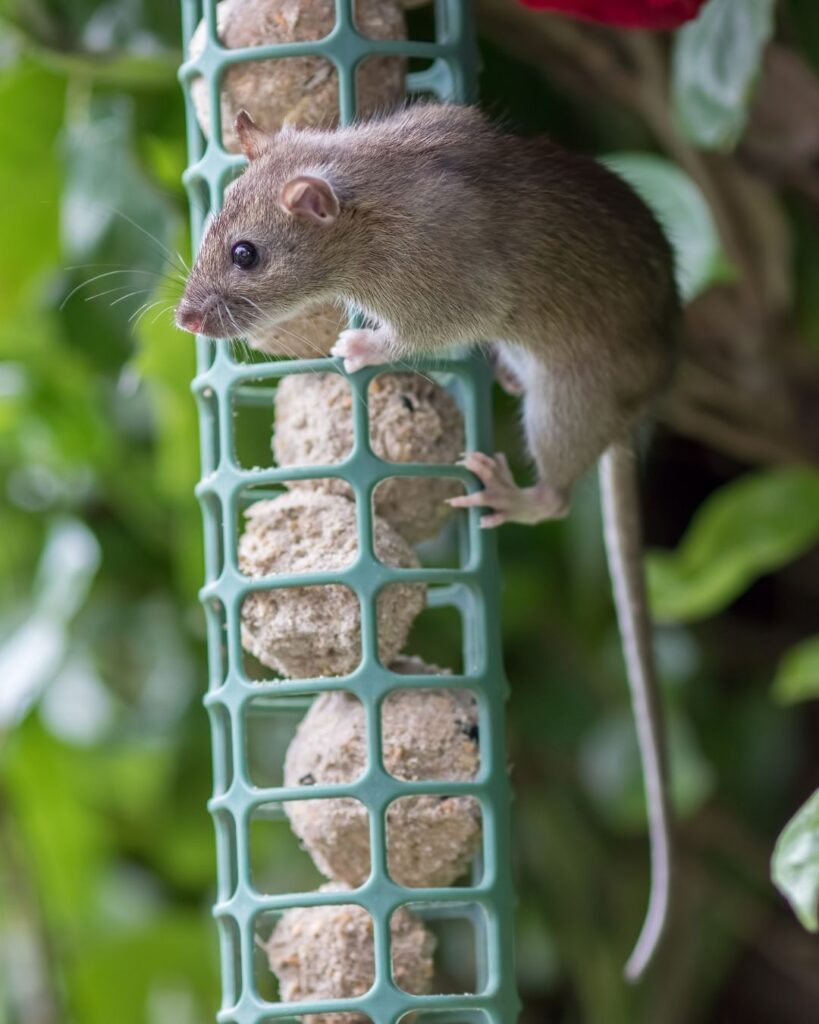
Bird feeders deserve special mention.
Watching birds can be deeply rewarding, yet spilled seed attracts far more than cardinals and finches. If rodents become a recurring issue, placing a tray beneath the feeder or cleaning the ground regularly can help reduce unwanted visitors.
Be patient because results take time
People naturally want quick solutions.
Unfortunately, rodents rarely disappear overnight.
You may notice rodent activity continue for several days after making improvements. That does not necessarily mean your efforts failed. Existing rodents still need time to encounter traps or leave in search of easier food.
Consistency matters far more than speed.
Checking traps daily, maintaining cleanliness, and sealing new gaps as they appear gradually shifts the odds in your favor.
When should you call a professional?
Sometimes an infestation grows beyond what most homeowners can comfortably handle.
Consider professional help if:
- Rodents continue appearing despite repeated efforts
- You hear heavy activity inside walls or ceilings
- Structural damage becomes obvious
- You suspect rats rather than mice
- Large commercial buildings are involved
Many pest management companies now offer integrated pest management, often called IPM.
This approach combines inspection, exclusion, sanitation, monitoring, and targeted trapping while reducing or avoiding pesticide use whenever practical. It treats the property as a whole rather than focusing only on removing individual animals.
A safer approach that lasts
Rodents have shared landscapes with humans for thousands of years. They are adaptable, curious, and surprisingly resourceful. That reality can feel discouraging at first, but it also points toward the most reliable solution.
Long-term rodent control is less about finding a miracle product and more about making your home difficult to enter and even less appealing to stay in.
Seal entry points. Remove food and water. Reduce hiding places. Use traps thoughtfully. Keep the area clean, and inspect it regularly.
Each step may seem modest on its own. Together, they create an environment where rodents struggle to survive, all without relying on pesticides that can affect pets, wildlife, or the wider environment.
That approach asks for a little more effort in the beginning. In return, it offers something better than a temporary fix: a healthier home, fewer recurring problems, and peace of mind that does not come from a box of poison.