The Oldest Living Organisms on Earth
There’s something quietly unsettling about standing next to a living thing that has been alive longer than your entire civilization.
Some of Earth’s oldest organisms have been around for thousands… even tens of thousands of years. They’ve endured ice ages, volcanic shifts, and more recently, us.
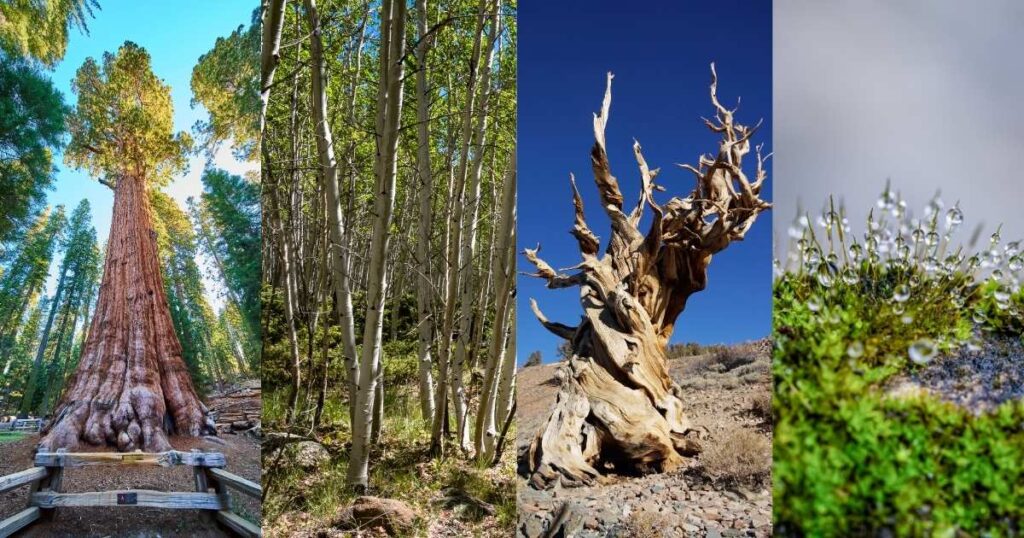
Bristlecone Pines: the slow kings of survival
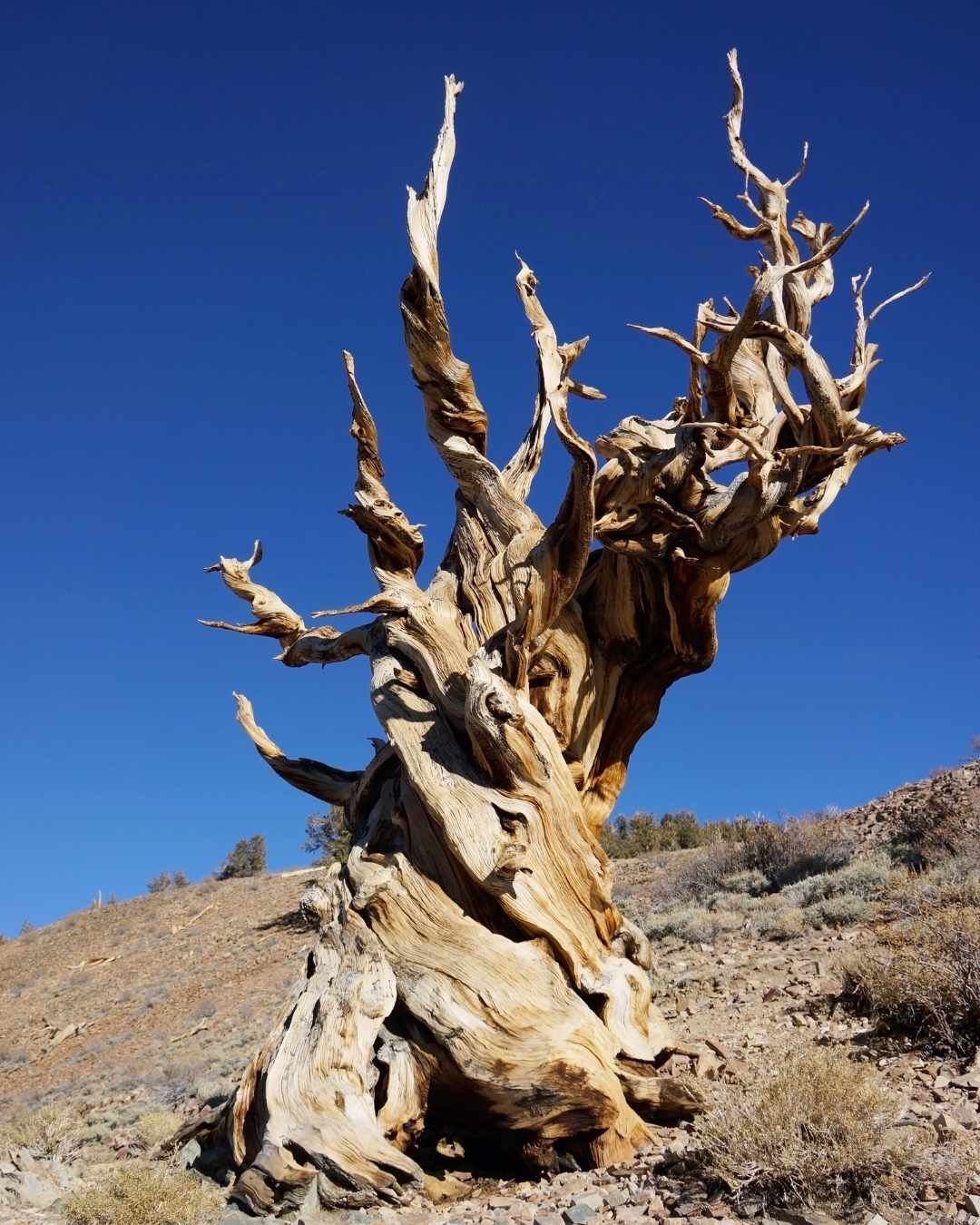
If you’ve ever seen a bristlecone pine, you might not guess its age. It looks weathered, even half-dead, like a sculpture carved by wind. That’s part of the trick.
These trees, found in the high mountains of the western United States, are among the oldest individual organisms on Earth. One famous specimen (nicknamed Methuselah) is over 4,800 years old. That’s older than the pyramids.
But the real story isn’t just age. It’s how they manage it.
Bristlecone pines grow in harsh, nutrient-poor soils at high altitudes. There’s barely enough water, and the temperatures swing wildly. You’d think that would shorten their lifespan. It does the opposite.
Their growth is painfully slow. A single millimeter of wood might take years to form. That slowness reduces metabolic stress, which in turn limits damage over time. It’s like living life in permanent low gear.
Also, they don’t put all their energy into one place. A large portion of the tree can die off, yet the rest continues living.
There’s something oddly comforting in that. You don’t have to be whole to keep going.
Giant Sequoias: ancient, but in a different way
Now, if bristlecone pines are the quiet survivors, giant sequoias are the giants you can’t ignore.
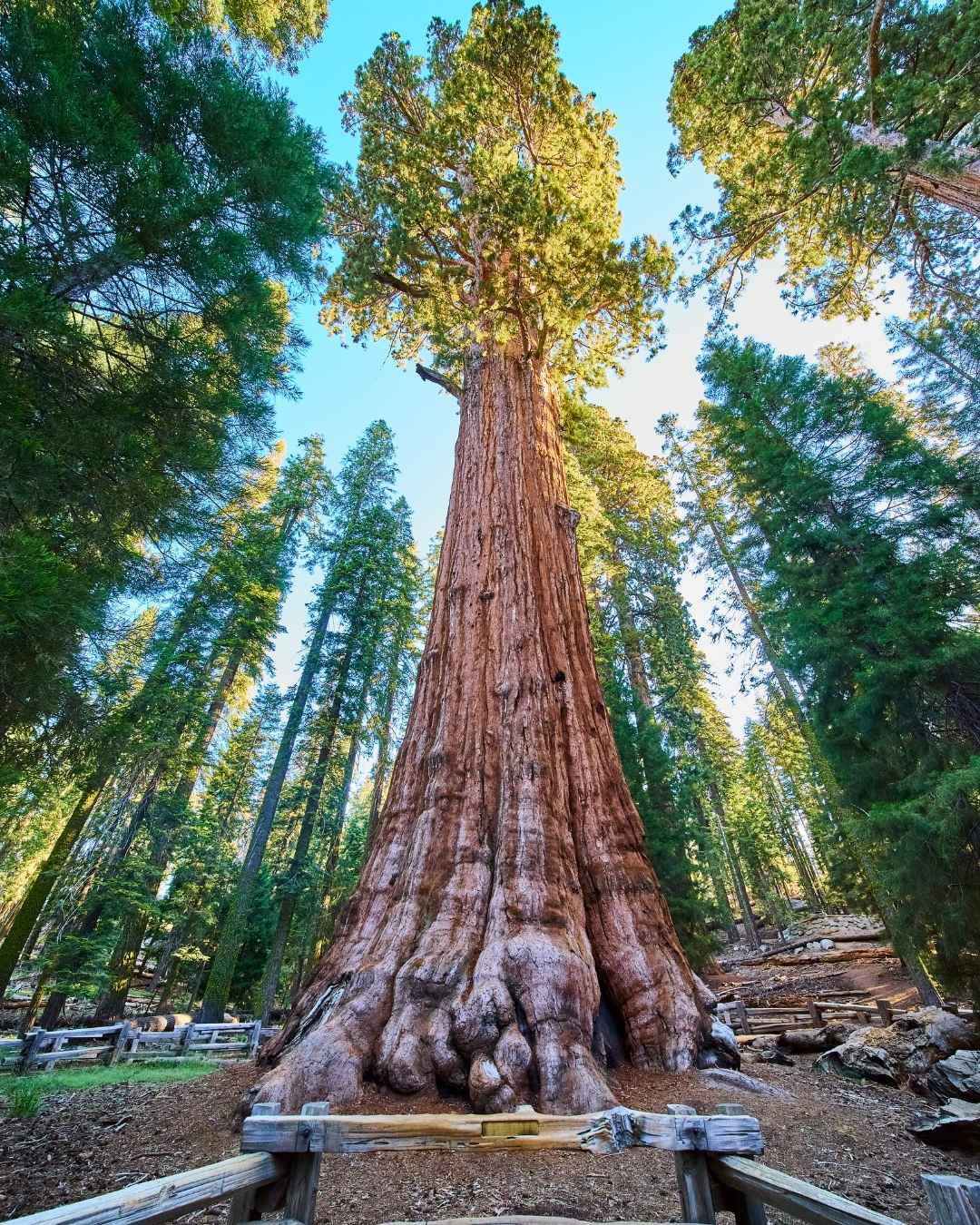
They’re not quite as old as the bristlecones (usually topping out around 3,000 years), but they make up for it in size. The largest living tree, known as General Sherman, is a sequoia. It’s not the tallest, but by volume, it’s unmatched.
Standing at its base, you don’t feel like you’re looking at a tree. You feel like you’re looking at time made solid.
Sequoias thrive in California’s Sierra Nevada mountains, where they’ve adapted to fire in a way that sounds almost paradoxical. Their thick bark resists flames, and their cones actually need heat to release seeds.
Fire, for them, isn’t destruction; it’s part of the life cycle.
That’s a theme you’ll notice with ancient organisms. They don’t just survive adversity; they incorporate it. What looks like a threat from the outside is often a requirement on the inside.
And while sequoias are impressive individually, they also hint at a broader idea: longevity isn’t always about being alone. It can be about systems, cycles, and relationships.
Pando: the forest that is one organism
Here’s where things get a little strange.
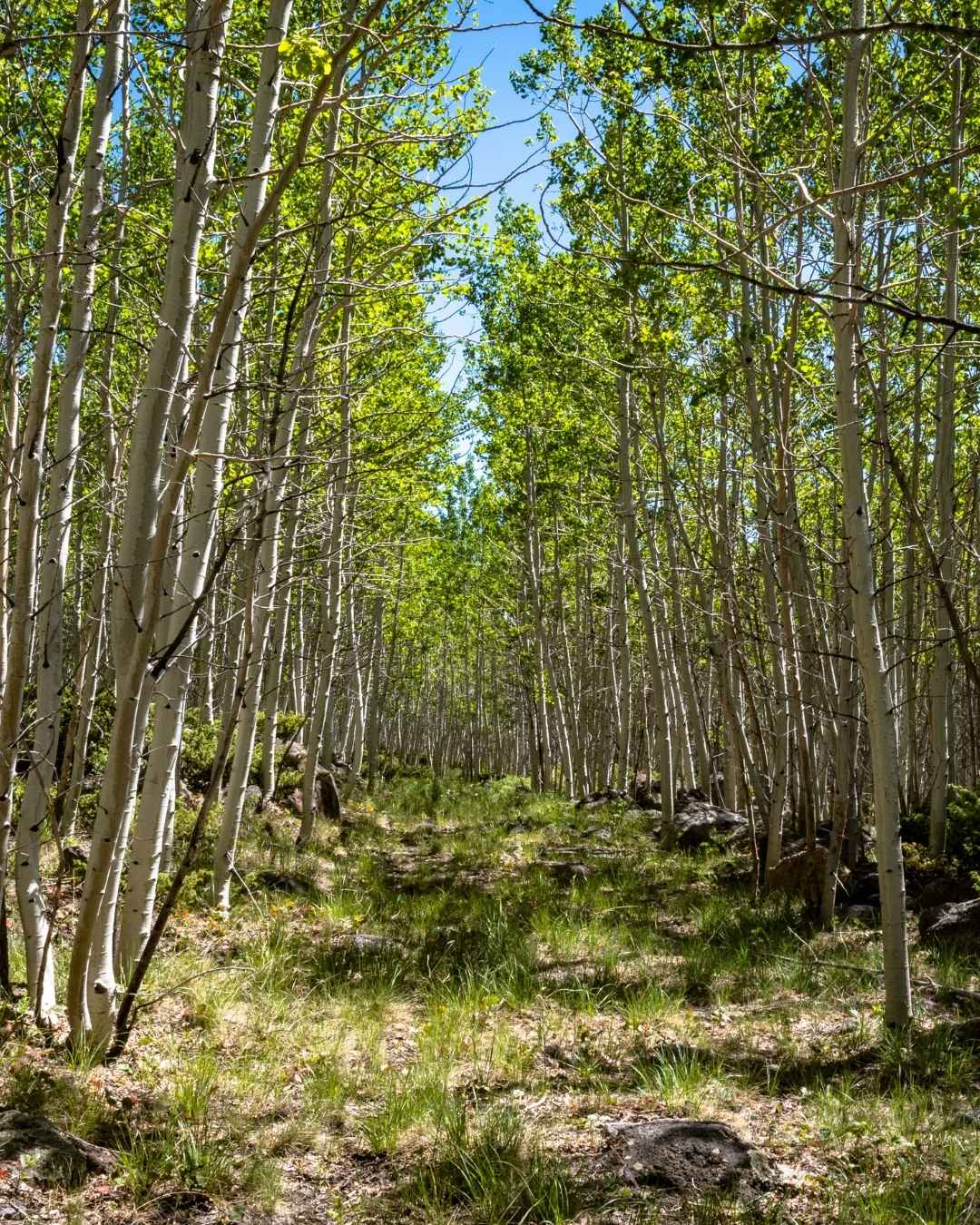
Pando looks like a forest. Thousands of trembling aspen trees spread across more than 100 acres in Utah. Each tree has its own trunk, its own leaves, its own place in the landscape.
But genetically, they are all the same organism.
Pando is a clonal colony, meaning it grows from a shared root system. When one trunk dies, another sprouts from the same underground network. The visible trees are temporary; the root system is the real organism.
Estimates suggest Pando is at least 14,000 years old. Some researchers think it could be older.
That changes how you think about individuality, doesn’t it?
We tend to define life in neat boundaries, but Pando doesn’t follow those rules. It’s one being, expressed in thousands of forms, constantly renewing itself.
There’s a philosophical angle here that scientists don’t always talk about. If something can replace its parts endlessly, is it ever really the same thing? Or does continuity matter more than identity?
Either way, Pando keeps growing. Quietly. Steadily. Like it has all the time in the world.
Antarctic moss: tiny, but stubbornly alive
Not all ancient organisms are massive. Some are so small you could step over them without noticing.
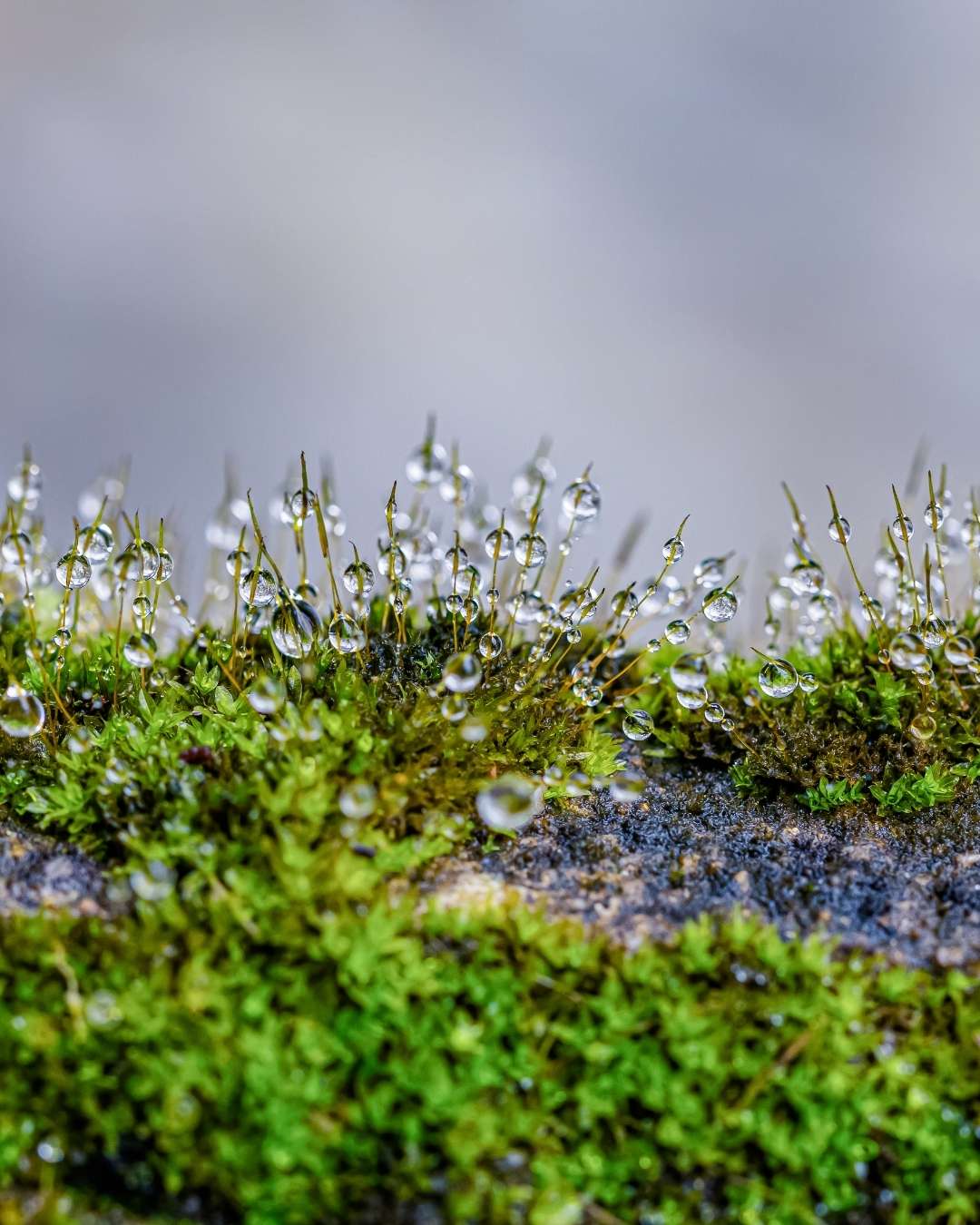
In Antarctica, scientists have found moss that’s been alive for over 1,500 years. That might not sound as impressive as a 4,000-year-old tree, but consider the conditions: freezing temperatures, limited sunlight, almost no liquid water.
Moss survives by entering a dormant state where metabolic activity nearly stops. When conditions improve, even slightly, it resumes growth.
There’s a kind of resilience here that feels different from trees. Trees endure; moss pauses.
Researchers have even revived moss samples that were frozen for centuries. Imagine being asleep for hundreds of years and then waking up like nothing happened. It’s not quite immortality, but it’s close enough to make you pause.
Bacteria: the true masters of longevity
If we’re being honest, the real champions of longevity aren’t trees or moss. They’re bacteria.
Some bacterial spores can remain viable for millions of years. Yes, millions.
Scientists have found bacteria trapped in amber, in salt crystals, and deep within ocean sediments. When conditions become favorable, they can reactivate, resume metabolism, and start reproducing again.
It’s almost hard to wrap your head around. Human history feels long, but on a microbial timescale, it barely registers.
Bacteria achieve this through simplicity. Their structures are minimal, their needs are basic, and their ability to enter dormant states is remarkably efficient.
There’s a lesson buried in there, though it’s not a comfortable one. Complexity isn’t always an advantage when it comes to survival. Sometimes, being simple and adaptable wins.
So what does “old” really mean?
At this point, you might be wondering how we even define the “oldest” organism.
Is it the oldest individual living thing, like a bristlecone pine?
Is it a clonal organism like Pando, where the visible parts are constantly replaced?
Or is it something like bacteria, where life pauses and resumes across unimaginable stretches of time?
There isn’t a single answer.
Age, in biology, is slippery. It depends on what you’re measuring—cells, genetic continuity, or physical structure. And those don’t always align.
That ambiguity is part of what makes this topic so interesting. It forces us to rethink assumptions about life, identity, and time itself.
Why longevity matters scientifically
Scientists study ancient organisms for practical reasons:
- Climate records: Tree rings in ancient pines provide detailed climate data going back thousands of years.
- Genetic stability: Long-lived organisms help researchers understand how DNA damage is managed over time.
- Ecosystem resilience: Species like Pando show how ecosystems can persist through disturbance if given the chance.
There’s also a growing interest in how these organisms resist aging. While humans aren’t about to live for thousands of years, studying these systems might reveal ways to slow cellular damage or improve longevity.
Still, it’s worth noting that what works for a tree or bacteria doesn’t translate neatly to humans. We’re built differently, for better or worse.
Time, patience, and a different way of living
Here’s the part that sticks with people.
Ancient organisms don’t rush. They don’t optimize for speed or efficiency in the way modern systems do. They grow slowly, adapt gradually, and persist through change rather than trying to control it.
That’s not a prescription for human life, obviously. We have deadlines, responsibilities, and a tendency to overcomplicate things.
But there’s something to be learned from their approach.
A bristlecone pine doesn’t panic during a drought. It adjusts. A sequoia doesn’t fear fire; it depends on it. Pando doesn’t cling to individual trunks; it replaces them.
Even moss, quietly waiting under ice, trusts that conditions will shift eventually.
It’s not resilience in the dramatic sense. It’s quieter than that. More patient.
And then there’s us
Humans tend to measure time in decades, maybe centuries if we’re feeling ambitious. We build monuments, write histories, and try to leave something behind.
Meanwhile, these organisms just… continue.
No grand narrative. No urgency. Just persistence.
There’s a strange humility in realizing that some living things have been here since before recorded history and will likely remain long after we’re gone. Not because they’re stronger or smarter, but because they’re adapted to endure.
It makes you rethink scale. Not just of time, but of importance.
If you ever get the chance to see one of these organisms in person—a bristlecone pine, a sequoia, even a patch of moss in a harsh place—it’s worth slowing down for a minute.
Not in a dramatic, life-changing way. Just enough to notice.