

Why Having Spiders in Your House Is Actually a Good Thing
Most people have a pretty simple reaction when they see a spider indoors: panic, a shoe, maybe a rolled-up magazine, and the spider is gone.
It’s understandable. Spiders have eight legs, they move in sudden bursts, and for some reason they always seem to appear exactly where you’d rather they didn’t—like above your pillow at 11:30 p.m.
But here’s the surprising part: the occasional spider living quietly in the corner of your home is doing you a favor.
Not a small favor, either.
From pest control to subtle ecosystem balance, spiders are some of the most helpful roommates you could accidentally have. Scientists who study household ecosystems even argue that spiders belong in our homes just as naturally as they do in forests or gardens.
So before you reach for the nearest object to squash that little eight-legged visitor, it’s worth understanding what spiders are actually doing there—and why your house might be better off with them around.
Your Home Is Already An Ecosystem
It sounds strange at first, but every home is a miniature ecosystem.
Not in the sense of trees and rivers, obviously. But tiny organisms, insects, and microscopic life forms are constantly moving through indoor spaces. Doors open. Windows crack. Groceries come inside. Pets wander in and out.
All of that movement brings insects along for the ride.
Researchers from places like the North Carolina State University Indoor Microbiome Project have spent years cataloging the creatures that live inside homes. What they found surprised a lot of people: hundreds of species of tiny arthropods can exist inside an ordinary house.
Most of them go unnoticed. A few are less welcome—flies, mosquitoes, moths, carpet beetles.
And this is where spiders quietly step into their role.
They’re predators in that tiny ecosystem. Think of them as the house’s unofficial pest patrol.
Spiders Are Natural Pest Control
Spiders don’t come inside your house because they’re curious about your furniture.
They come because there’s food.
That food usually includes insects most homeowners would rather not deal with.
Common spider prey inside houses includes:
- Mosquitoes
- House flies
- Moths
- Ants
- Gnats
- Cockroach nymphs
- Silverfish
A single spider can eat dozens of insects over time. Some species consume their own body weight in prey every day or two. It’s a pretty efficient system: the spider waits, the web catches something, and the insect population quietly shrinks.
And unlike chemical pest control, spiders don’t leave residues, fumes, or sticky traps scattered around the floor.
They simply hunt.
A small web in the corner of the ceiling might look messy to us, but from an ecological standpoint, it’s basically a tiny biological trap working around the clock.
Most House Spiders Aren’t Dangerous
In North America, only a couple of species—like the brown recluse or black widow—are medically significant. Even then, bites are extremely rare and usually happen when the spider gets trapped against skin.
Most common house spiders prefer the opposite strategy: avoid humans entirely.
Typical indoor species include:
- Common house spiders (Parasteatoda tepidariorum)
- Cellar spiders (often called “daddy longlegs”)
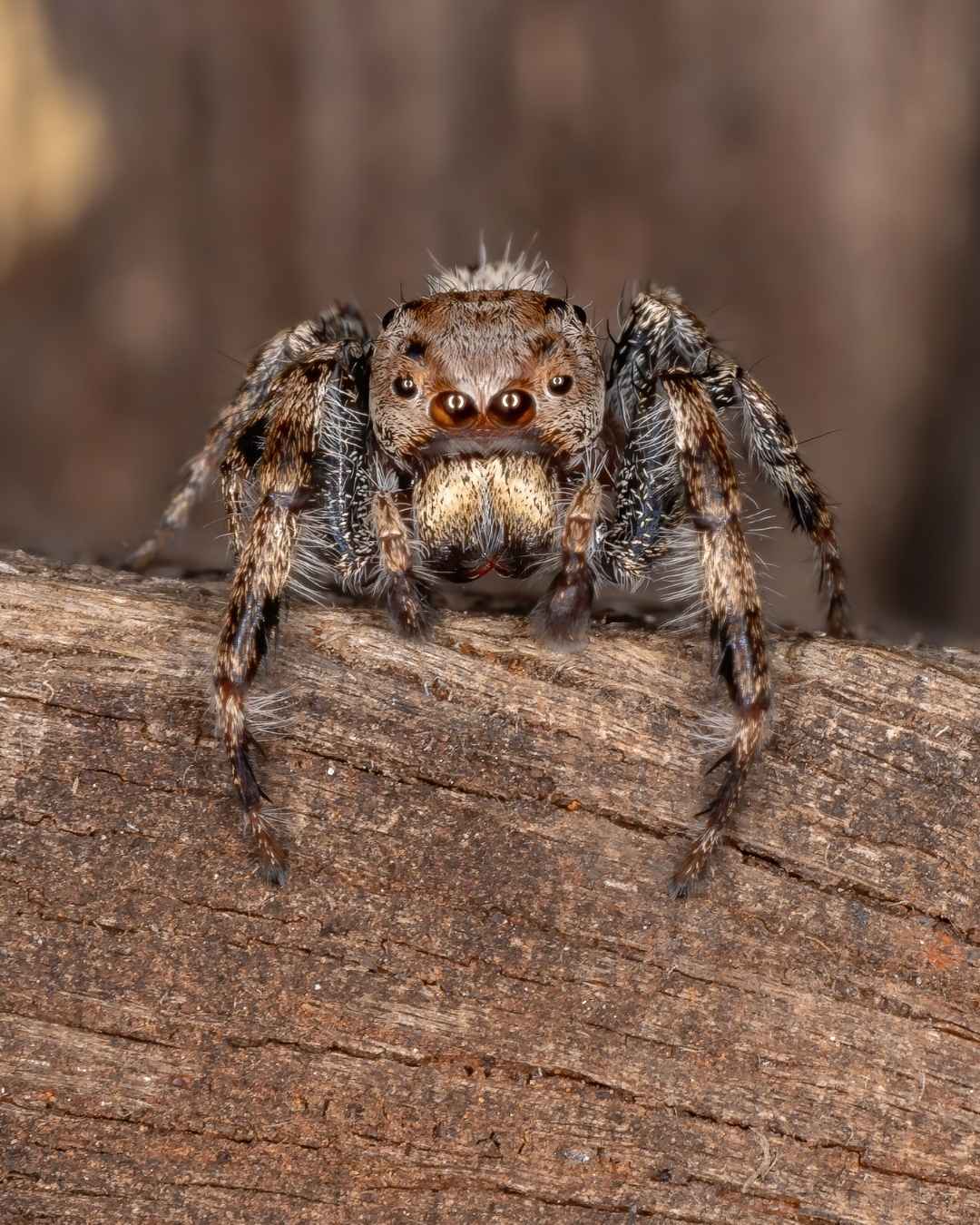
- Jumping spiders
- Wolf spiders that wander in from outside
These spiders would much rather retreat than bite.
If you’ve ever watched one freeze when you walk by, that’s not aggression—it’s survival instinct. To them, humans are basically walking mountains.
Spiders Help Control Disease-Carrying Insects
Now here’s where spiders quietly provide a real public health benefit.
Many insects that wander into homes can spread disease. Mosquitoes, for instance, transmit viruses such as West Nile and dengue in certain regions. Flies can carry bacteria from garbage or waste to food surfaces.
Spiders eat those insects.
Of course, a single spider won’t eliminate every mosquito in your house. But multiply that by millions of homes, and spiders become part of a much larger natural control system.
Scientists studying global insect predators estimate that spiders collectively consume hundreds of millions of tons of insects each year.
That’s not a typo.
Hundreds of millions of tons.
A small number of those meals happen inside houses, quietly keeping nuisance insects in check.
Why Spiders Usually Stay In The Corners
If you notice spiders clustering near ceilings, basements, or quiet corners, that’s not random behavior.
Those areas tend to have two things spiders want:
- Less disturbance
- More insect traffic
Insects often move along walls or toward light sources. Corners and ceilings act like natural highways for them. A spider setting up shop there is basically positioning itself at a busy intersection.
Basements are another favorite location because they’re cooler, darker, and often home to other small bugs.
In other words, spiders strategically pick locations. They’re not wandering aimlessly through your house looking for trouble.
They’re working.
A Quick Note About Spider Fear
Arachnophobia—fear of spiders—is one of the most common phobias worldwide.
Part of that fear may be evolutionary. Early humans living outdoors needed to avoid venomous creatures, and spiders sometimes fit that category. Our brains are good at remembering unusual shapes and fast movements.
But psychologists also point out that fear often comes from unfamiliarity.
When people learn a bit about spiders—how they behave, what they eat, how rarely they bite—that fear tends to soften. Not always disappear, of course, but soften.
The funny thing is that spiders are far more afraid of us than we are of them. A human footstep is basically an earthquake from their perspective.
What Scientists Found Inside Ordinary Homes
A few years ago, researchers surveyed dozens of homes across North America. They cataloged every arthropod species they could find indoors.
The results were eye-opening.
Nearly every house contained spiders.
And not just one or two individuals. Several species might live in different parts of the home simultaneously, each occupying its own niche.
For instance:
- Cellar spiders often dominate basements
- Cobweb spiders prefer the upper corners of rooms
- Jumping spiders patrol windowsills
Instead of competing aggressively, these spiders tend to spread out and hunt different types of prey.
The house becomes a patchwork of tiny predator territories. It sounds dramatic, but in practice, it’s invisible to us most of the time.
You Don’t Have To Let Them Take Over
Let’s be clear: appreciating spiders doesn’t mean you need to allow dozens of them to live freely in your bedroom.
Balance matters.
If webs accumulate heavily, a simple cleaning removes them. If a spider appears in an inconvenient place, you can gently relocate it outside using a cup and paper.
Many entomologists actually recommend that approach. It protects the spider while keeping your space comfortable.
The key point is this: spiders aren’t invading your home out of malice.
They’re responding to food availability. Reduce insects, and spider numbers naturally drop.
When Spiders Become Unwelcome Guests
Of course, there are situations where spider populations get out of hand.
That typically happens when there’s a larger insect problem.
For example:
- A fly infestation
- Large numbers of ants
- Persistent moisture attracting bugs
In those cases, the spiders are responding to the buffet.
Fix the root issue—seal entry points, reduce standing water, keep food sealed—and both insects and spiders decline naturally.
It’s a bit like seeing birds gather where food is plentiful. They’re following the resources.
A Quiet Partnership With Nature
Even in modern homes with climate control, sealed windows, and polished floors, we’re still connected to the surrounding environment. Tiny creatures move through our living spaces, forming small, hidden food webs.
Spiders are part of that system.
They’re patient hunters, pest controllers, and surprisingly elegant engineers. Most of the time, they remain out of sight, performing a job we didn’t assign them but probably benefit from anyway.
So the next time you notice a spider sitting calmly in the corner of a room, you might pause before reacting.
It could be guarding your home from a few mosquitoes. Or waiting patiently for a wandering fly.
Either way, that quiet little predator might be one of the most helpful housemates you never meant to invite.